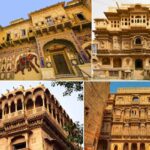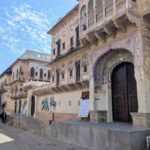

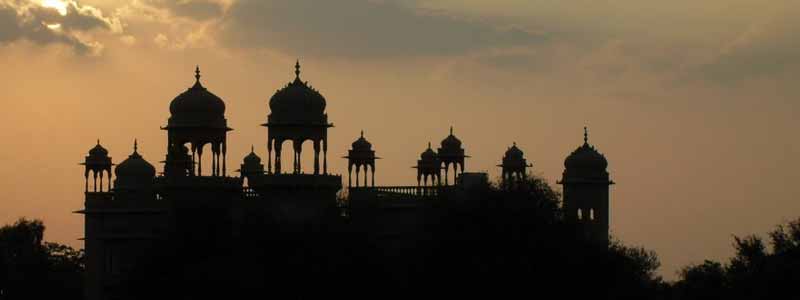


5 Best Havelis In Mandawa, nestled in Rajasthan’s Shekhawati region, is famed as an “open-air art gallery” due to its numerous magnificent havelis. These opulent mansions, built by wealthy Marwari merchants in the 18th and 19th centuries, served as their residential complexes and status symbols.
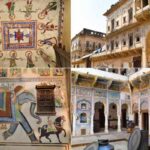
Each haveli is a testament to exquisite craftsmanship, adorned with vibrant frescoes, murals, and intricate carvings. These paintings often depict mythological scenes, daily life, local folklore, and fascinating influences from European culture, including images of trains, cars, and colonial figures.
Notable havelis include the Murmuria Haveli, known for its blend of traditional and contemporary themes; the Goenka Double Haveli, with its dual entrances and detailed facade; the Jhunjhunwala Haveli, boasting a striking “Golden Room”; and the Gulab Rai Ladia Haveli, celebrated for its intricate erotic paintings. Many havelis have been meticulously restored, with some even converted into heritage hotels, offering visitors a unique opportunity to experience the bygone era’s grandeur.
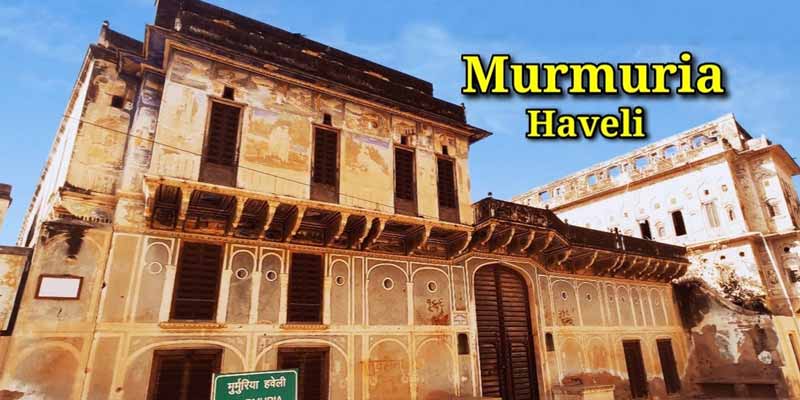
Murmuria Haveli
The Murmuria Haveli in Mandawa, Rajasthan, is a captivating example of the region’s famed “open-air art gallery.” Dating back to the 1930s, this haveli stands out for its unique blend of traditional Indian themes and early 20th-century influences, particularly those from the West.
Its walls are adorned with fascinating frescoes that depict diverse subjects. You’ll find conventional Rajasthani art alongside surprising imagery, such as a train at a railway crossing with a crow flying over the engine, and even paintings of George V. One particularly notable fresco shows Jawaharlal Nehru on horseback, holding the Indian flag, blending political symbolism with traditional art forms. Another interesting detail is the depiction of Venetian gondolas on the canals of Venice, a testament to the global exposure and artistic interpretations of the haveli’s original owners and the artists of the time, such as Balu Ram.
The architecture itself is typical of the Shekhawati region, with grand courtyards, intricately carved wooden doors, and ornate jharokhas (balconies). The Murmuria Haveli offers a vivid glimpse into the artistic sensibilities and daily life of the prosperous Marwari merchants who commissioned these magnificent residences. It remains a must-visit for anyone keen to explore the rich cultural tapestry of Mandawa.
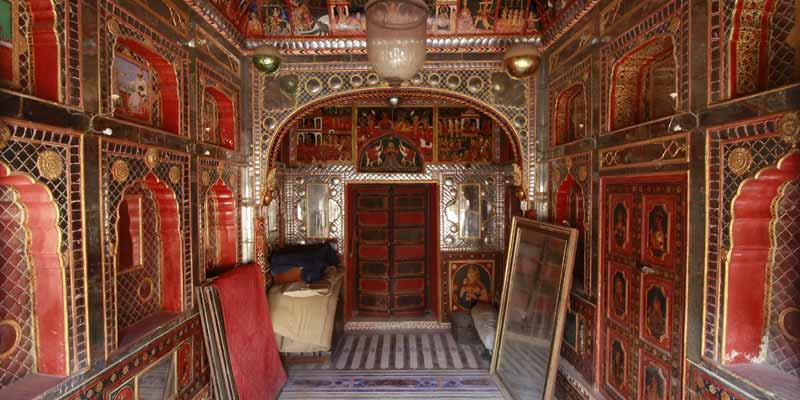
Gulab Rai Ladia Haveli
The Gulab Rai Ladia Haveli, located in the charming town of Mandawa in Rajasthan’s Shekhawati region, stands as a prime example of the area’s nickname: “the open-air art gallery of Rajasthan.” This 18th-century Rajput haveli is renowned for its exceptional and often unique mural paintings and frescoes that adorn both its interior and exterior walls.
What sets Gulab Rai Ladia Haveli apart is the sheer variety and realism of its artwork. Visitors can marvel at intricate depictions of daily life, mythological scenes, and even surprisingly bold imagery like a woman giving birth, mirror images of tigers and horses, and a bird tending her eggs. The haveli also boasts beautifully carved wooden gates and latticed windows, showcasing the masterful craftsmanship of the era.
While it retains its old-world charm, some areas of the haveli may exhibit signs of time, with blue washes indicating 20th-century censorship of previously acceptable erotic scenes. The Gulab Rai Ladia Haveli is a must-visit for anyone interested in the rich artistic and architectural heritage of Rajasthan. It’s often included in walking tours of Mandawa’s famous havelis. While there might not be a specific entry fee for this individual haveli, some guided tours might incorporate it into a larger package. It’s best to confirm locally for current access and any potential charges.
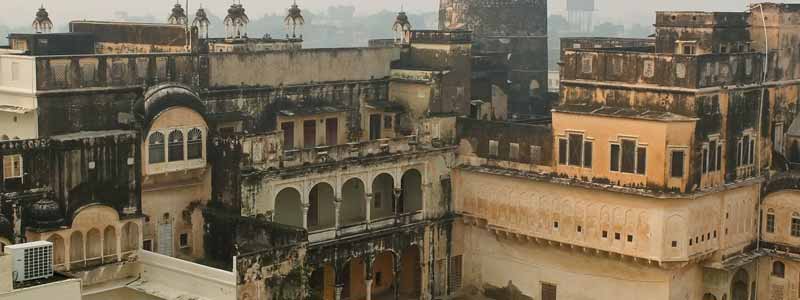
The Hanuman Prasad Goenka Haveli
The Hanuman Prasad Goenka Haveli in Mandawa is a stellar example of the opulent merchant mansions that earned Mandawa the moniker “open-air art gallery of Rajasthan.” This haveli is renowned for its vibrant and intricate frescoes that adorn its walls and pillars, showcasing the artistic creativity of a bygone era.
What makes this haveli particularly captivating are its detailed murals depicting mythological themes and characters. Visitors can marvel at paintings of Lord Shiva on his revered Nandi bull and Lord Indra riding an elephant, among other divine figures. These artworks provide a fascinating insight into the religious beliefs and artistic inclinations of the prosperous Rajput families who once resided here.
While many havelis in Mandawa are privately owned and not fully accessible from the inside, a good portion of the Hanuman Prasad Goenka Haveli’s stunning artwork can be admired from the street, making it a must-see for art and history enthusiasts exploring the Shekhawati region. It stands as a testament to Rajasthan’s rich cultural heritage.

Bansidhar Newatia Haveli
The Bansidhar Newatia Haveli, built in 1920, stands as a prime example of the exquisite architectural and artistic heritage of Mandawa, a town often referred to as an “open art gallery” due to its numerous frescoed Havelis. This luxurious haveli, which notably now houses a major Indian bank, offers a fascinating glimpse into the royal lifestyle of the Rajput rulers and wealthy merchant families of the past.
What sets the Bansidhar Newatia Haveli apart are its distinctive and often whimsical frescoes, which beautifully blend traditional Rajasthani art with emerging contemporary themes of the early 20th century. Visitors can marvel at captivating wall paintings depicting scenes like a boy using a telephone, saree-clad women observing the Wright brothers’ maiden flight, a European woman in a chauffeur-driven car, and even a strongman pulling a car. These vivid illustrations reflect a unique blend of local traditions, technological advancements, and a burgeoning awareness of the wider world.
While specific opening hours and an entry fee might vary or be less formal given its current use as a bank, the exterior frescoes are readily visible and offer a remarkable artistic experience. The diligent handiwork and magnificent designs truly reflect the art, traditions, and even the technology of a bygone era in Rajasthan, making it a must-visit for anyone exploring Mandawa’s rich cultural tapestry.
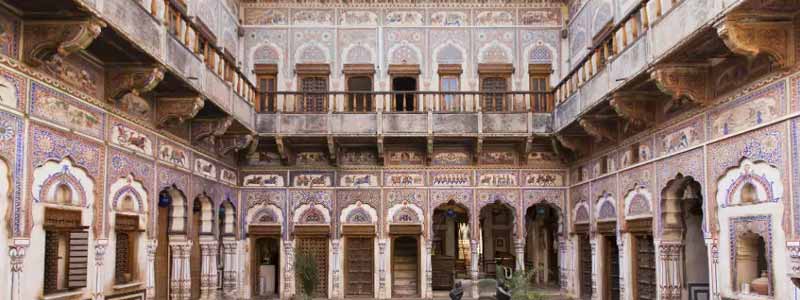
The Chokhani Double Haveli
The Chokhani Double Haveli in Mandawa, Rajasthan, is a magnificent example of the region’s famed painted mansions. Dating back to 1910, its unique “double” appellation comes from its construction in two adjoining wings, built for the families of two brothers of the prominent Chokhani merchant family.
This grand haveli is a testament to the artistic brilliance of the Shekhawati region, often referred to as an “open-air art gallery.” Its walls are adorned with exquisite frescoes that depict a fascinating blend of traditional Indian themes and early 20th-century European influences. Visitors can admire colorful paintings of Hindu gods, Rajput kings, peacocks, as well as surprising depictions of solemn British soldiers, cars, and men in Western attire. The intricately carved wooden doors and grand courtyards further enhance its regal splendor, offering a captivating glimpse into the opulent lifestyle of the Marwari merchants who once resided here. The haveli stands as a remarkable symbol of cultural fusion and historical richness.