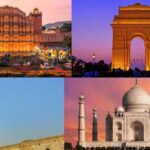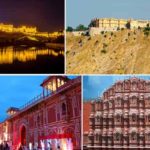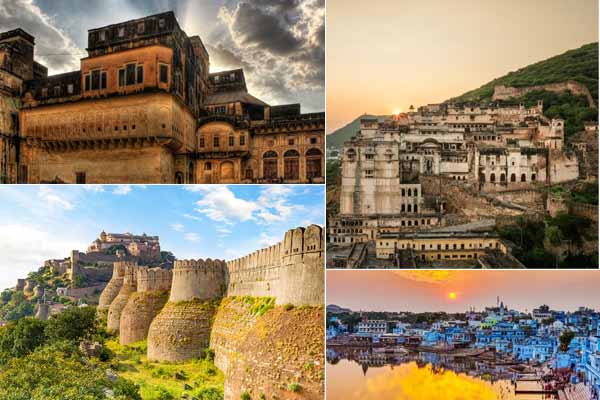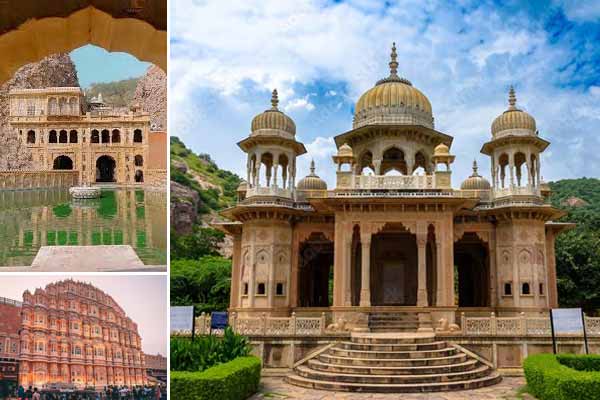

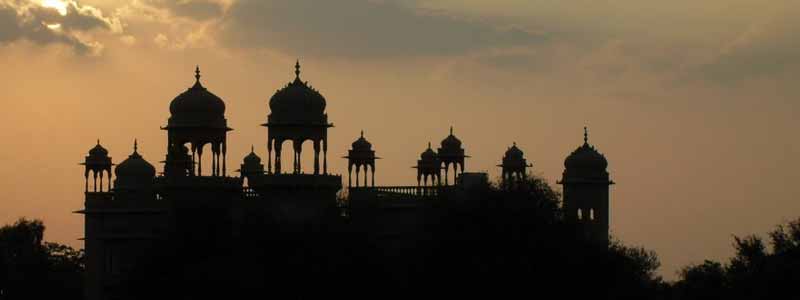


10 Best Locations For Photo Shoot in Jaipur, the “Pink City,” is a treasure trove of architectural wonders, offering some of the best locations for a captivating photoshoot, blending centuries of royal history with vibrant, photogenic aesthetics.
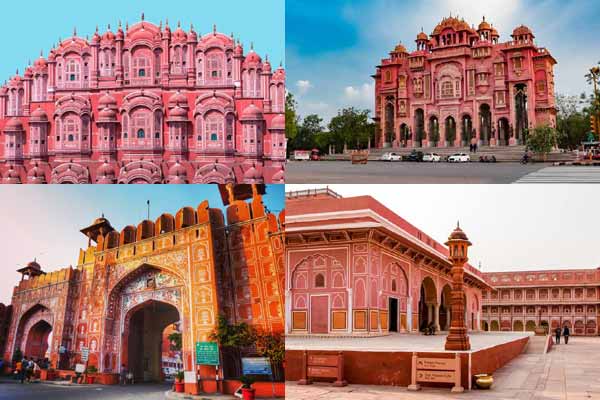
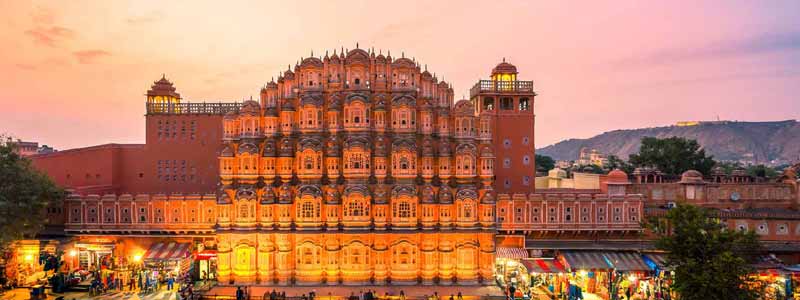
For an iconic backdrop that screams ‘Jaipur,’ start with the majestic Hawa Mahal. Its stunning five-story honeycomb facade, featuring 953 intricate jharokhas (windows), is a signature shot, especially beautiful at sunrise when the pink sandstone catches the soft morning light.
Next, venture to the sprawling citadel of Amer Fort (or Amber Fort). This magnificent complex offers grand, fortified walls, ornate gateways, and the dazzling Sheesh Mahal (Mirror Palace), which is perfect for opulent, light-filled portraits. Its courtyards and dramatic ramparts offer a variety of textures and perspectives for diverse scenes.
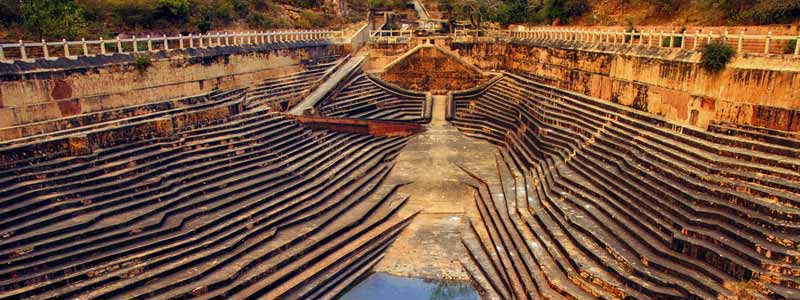
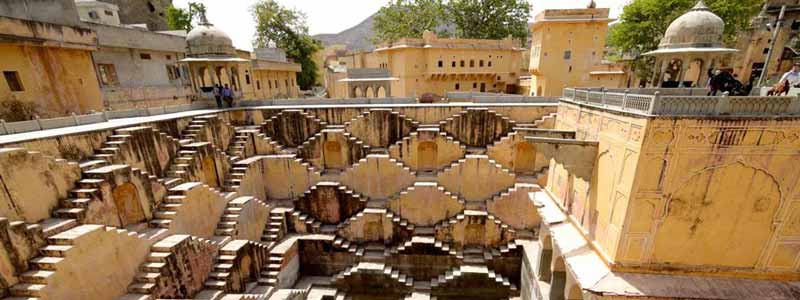
For symmetrical and geometric compositions, the ancient stepwell of Panna Meena ka Kund is a photographer’s delight. Its tiered, crisscrossing staircase structure creates a mesmerizing pattern, providing a clean, architectural look and depth.
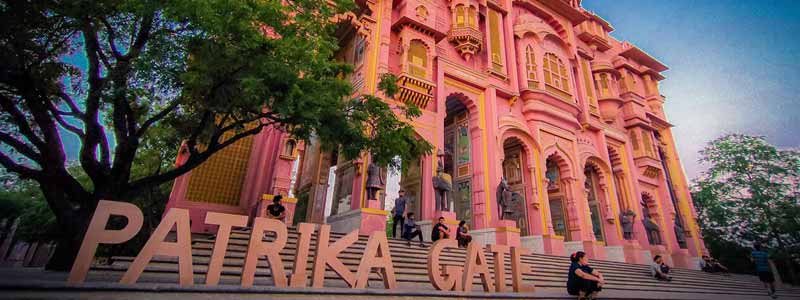
Finally, for a vivid burst of color, the Patrika Gate is a modern favorite. Each of its nine archways is painted with elaborate, traditional Rajasthani murals depicting cities and temples, offering multiple colorful frames for fashion and portrait photography. For a serene, romantic landscape, the Jal Mahal, a palace seemingly floating on Man Sagar Lake, provides a breathtaking, peaceful setting, completing a diverse and unforgettable portfolio from your Jaipur shoot.
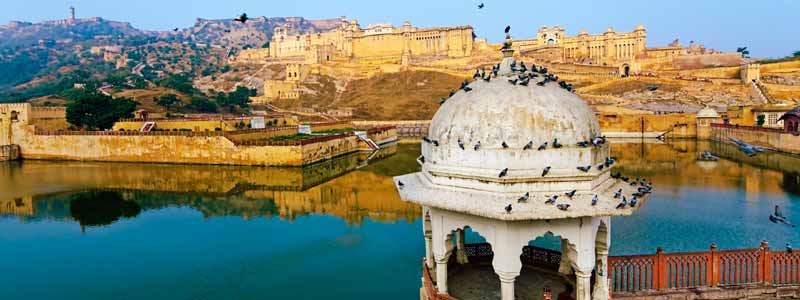
1. Amer Fort – Grandeur and Royalty in Every Corner
Discover enchanting photo opportunities at Amber Fort, Jaipur’s historical gem. Begin your visual journey by capturing the fort’s grandeur against the dramatic backdrop of the Aravalli Hills. Explore the ornate details of the Sheesh Mahal, where intricate mirrored mosaics create a celestial atmosphere. Ascend through the fort’s cobbled paths and imposing gates, unveiling the architectural marvels that narrate tales of regal splendor. Frame the vibrant ambiance of the Diwan-i-Aam and Diwan-i-Khas courtyards, each corner steeped in history. As the sun sets, transition to night photography, capturing the fort bathed in golden lights against the dark sky, providing a timeless and captivating spectacle of Amber Fort’s enduring beauty.
Photographic Highlights
- The intricately designed Ganesh Pol with colorful frescoes and delicate motifs.
- The dazzling Sheesh Mahal (Mirror Palace)—ideal for dreamy portraitures.
- The sprawling courtyards and stairways that create cinematic wide-angle shots.
- Pathways lined with symmetrical arches perfect for fashion and couple shoots.
Best Time to Shoot
Shoot early in the morning when sunlight is soft and crowds are minimal. The warm glow enhances the fort’s golden architecture beautifully.
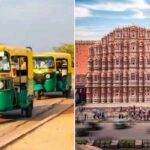
2. Hawa Mahal – The Pink City’s Iconic Symphony of Windows
Look at my face, I really felt the moment, being a fairy-tale princess, wearing a beautiful Ghagra Choli 🙂
Hawa Mahal also known as the Palace of Winds is one of the most recognizable landmarks in Jaipur. This gorgeous building was constructed in 1799 to allow the royal ladies to watch through windows the local life in the city. The place absolutely exceeded my expectations!
If you want to take great photographs and create the perfect perspective, cross the streets and go upstairs to the local restaurant which provides amazing view of Hawa Mahal and the city.
Photographic Highlights
- The five-story façade in pink sandstone is perfect for wide-angle shots.
- Early morning sunlight makes the façade glow like gold.
- Candid market shots around Hawa Mahal add rustic charm and cultural vibrancy.
Best Time to Shoot
Sunrise to mid-morning. The soft golden light adds romantic warmth, and the streets remain less crowded.
3. City Palace – A Palette of Royal Colors and Textures
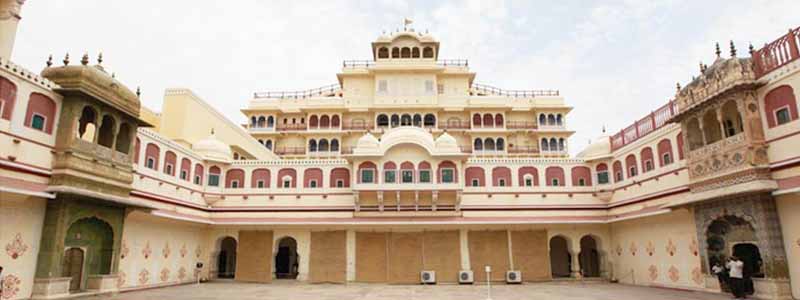
Embark on a majestic visual journey through the City Palace in Jaipur with a captivating photoshoot. Begin by capturing the grandeur of the palace’s entrance, showcasing its architectural opulence. Explore inner courtyards adorned with ornate arches and columns, playing with light and shadow for dramatic effects. Zoom in on the intricate details of Mubarak Mahal, unveiling the palace’s artistic intricacies. If allowed, venture into Chandra Mahal, revealing its vibrant colors and regal design. Ascend to higher points for panoramic city views, incorporating the dynamic cityscape into your composition. Seize candid moments to add life to your narrative, creating a photographic tapestry that epitomizes Jaipur’s royal legacy.
Photographic Highlights
- The legendary Peacock Gate in the Pritam Niwas Chowk, rich with artistic details.
- The soft pastel hues of Mubarak Mahal perfect for portraits.
- Decorated balconies, carved arches, and patterned walls offering ready-made frames.
Best Time to Shoot
Opt for mornings when the natural light illuminates the textures and details without harsh shadows.
4. Jal Mahal – Floating Romance Amid Serenity
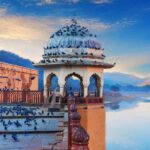
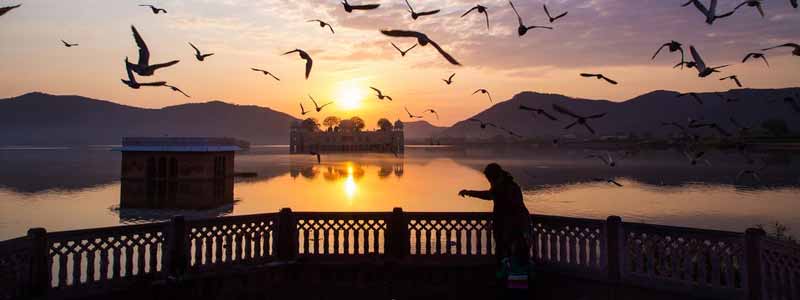
The Jal Mahal, or “Water Palace,” is a stunning architectural marvel located in the middle of the Man Sagar Lake in Jaipur, Rajasthan, India. Built in the 18th century by Maharaja Sawai Jai Singh II, it seamlessly blends Mughal and Rajput styles.
Of the five stories, four remain submerged beneath the water’s surface when the lake is full, leaving only the top floor visible. This unique design gives the illusion that the palace is floating. The structure is characterized by its sandstone walls, intricately carved balconies, and a beautiful rooftop garden (Chaar Bagh).
The palace was originally constructed as a pleasure retreat for the Maharaja and his family, primarily for duck hunting parties. After decades of neglect and deterioration, the palace and the surrounding lake underwent a major restoration project to improve its structure and the water quality. While visitors cannot currently enter the palace itself, it remains a captivating sight and a peaceful, picturesque spot, especially at sunrise or sunset, offering a magnificent reflection on the water.
Photographic Highlights
- Stunning reflections of the palace on still water.
- Surrounding Aravalli hills that create a calm, natural frame.
- Silhouettes during sunrise and sunset.
Best Time to Shoot
Sunrise for soft colors and misty reflections. Sunset works wonderfully for silhouettes and warm-toned landscape shots.
5. Patrika Gate – A Riot of Colors and Artistic Marvel
Patrika Gate in Jaipur stands as a vibrant testament to Rajasthan’s rich culture and artistry. This intricately designed entrance, adorned with a riot of colors and detailed patterns, serves as a picturesque backdrop for photography enthusiasts. Each pillar narrates a unique story, showcasing the diverse heritage of the state. The gate’s architecture seamlessly blends traditional and contemporary elements, making it a must-visit attraction for locals and tourists alike. Whether capturing the striking hues during the day or the gate illuminated at night, Patrika Gate promises an immersive experience, inviting all to explore the artistic tapestry of Jaipur’s cultural identity.
Photographic Highlights
- Highly detailed artwork representing regional stories and architectural styles.
- The vibrant corridor allows symmetrical shots that look magnificent in wide-angle frames.
- Ideal for fashion, couple shoots, and Instagram-inspired photography.
Best Time to Shoot
Early morning when the space is quieter and when sunlight enhances the colours without creating harsh contrasts.
6. Nahargarh Fort – The Best Sunset Spot in Jaipur
Perched atop the Aravalli Hills, Nahargarh Fort in Jaipur unfolds as a picturesque haven for photography enthusiasts. Capture the fort’s majestic exterior against the changing hues of the sky, framing the Pink City below. Explore historic corridors and intricate details that resonate with Rajasthan’s valor. Venture into Madhavendra Bhawan, showcasing its symmetrical beauty and vibrant frescoes. Utilize the fort’s vantage points for panoramic shots of Jaipur during the golden hours. Nahargarh Fort provides a timeless backdrop, blending architectural grandeur with scenic beauty, inviting you to narrate the fort’s history through captivating visual stories.
Photographic Highlights
- Romantic sunset backdrops with the entire Pink City glowing below.
- The pastel-colored corridors of Madhavendra Bhawan, ideal for fashion and editorial shoots.
- Rugged stone architecture that adds a rustic element to portraits and couple shots.
Best Time to Shoot
Late afternoon to sunset. Blue hour photography delivers breathtaking skyline shots.
7. Panna Meena ka Kund – Geometry in Perfect Harmony
Panna Meena ka Kund, nestled in the arid landscape of Jaipur, is a remarkable stepwell that stands as a testament to both utility and aesthetics. With its symmetrical and intricate design, the stepwell’s architecture captivates visitors and photographers alike. The perfect blend of functional steps and ornate patterns creates a visually stunning environment, providing ample opportunities for striking compositions. The play of light and shadow on the geometric formations adds an extra layer of charm. This historic site not only serves as a source of water conservation but also as a hidden gem for those seeking unique and captivating photo opportunities in the heart of Jaipur.
Photographic Highlights
- Crisscrossing stairways forming a geometric pattern.
- Warm, natural tones of the stone against colourful attire.
- Clean, symmetrical frames ideal for both wide shots and close-ups.
Best Time to Shoot
Late morning or late afternoon, when shadows are subtle, and the geometry is clearly visible.
8. Albert Hall Museum – Grandeur in Indo-Saracenic Style
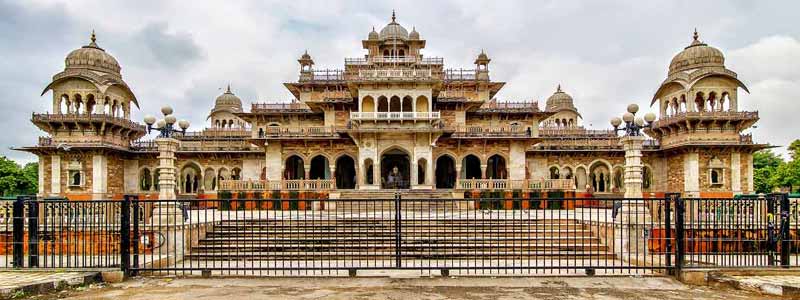
The Albert Hall Museum, also known as the Government Central Museum, is the oldest museum in Rajasthan and a magnificent example of Indo-Saracenic architecture.
Its foundation stone was laid by Albert Edward, Prince of Wales, in 1876, and the building, designed by Samuel Swinton Jacob, was opened to the public in 1887. The structure, made of pink sandstone, is famous for its elegant arches, domes, and exterior murals depicting ancient civilizations.
Located in the serene Ram Niwas Garden, the museum houses a vast collection spread across 16 galleries. Its most famous exhibits include a 2,300-year-old Egyptian mummy, a rare Persian garden carpet, and extensive collections of miniature paintings, arms and armor, pottery (especially Jaipur’s blue pottery), and ancient sculptures. The museum’s facade is spectacularly illuminated at night, making it a stunning landmark.
Would you like to know the museum’s visiting hours or the location of the Ram Niwas Garden?
Photographic Highlights
- Its grand exterior allows wide shots with depth and symmetry.
- Night illumination transforms it into a glowing marvel.
- Pigeons in the foreground often add dynamic elements to daytime shots.
Best Time to Shoot
Early morning for vibrant architectural captures. After sunset for long-exposure night photography.
9. Jaigarh Fort – Warrior Spirit and Rugged Beauty
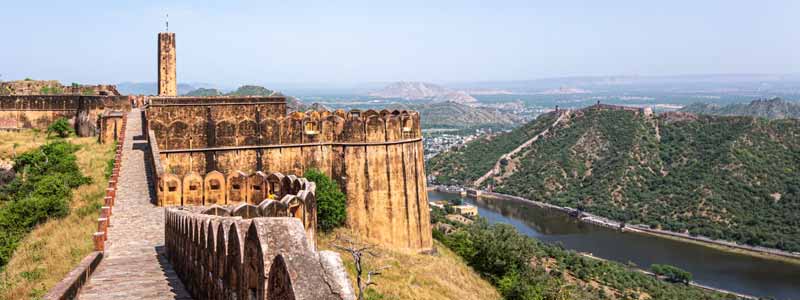
Jaigarh Fort, perched atop the Aravalli Range in Jaipur, is a majestic subject for photography enthusiasts. With its robust architecture, expansive courtyards, and sweeping views of the surrounding landscape, Jaigarh Fort offers a wealth of visual opportunities. Capture the intricate details of the fort’s structures, including its watchtowers and historical cannons. The elevated position provides a stunning panorama of Jaipur city, making it an ideal spot for landscape photography, especially during golden hours. Explore the historic corridors, open courtyards, and the vastness of the fort to tell a visual story of the fort’s rich history and architectural grandeur.
Photographic Highlights
- Long fortress walls that add powerful leading lines.
- Elevated viewpoints overlooking Amer Fort and forested landscapes.
- Rustic stone corridors ideal for moody portraiture.
Best Time to Shoot
Early morning or golden hour for dramatic shadows and enhanced stone textures.
10. Jaipur Bazaars – Vibrant, Cultural, and Full of Life
Jaipur’s bazaars are the pulsating heart of the Pink City, offering an immersive, vibrant experience of traditional Rajasthani commerce and craftsmanship. These bustling, historic markets within the walled city specialize in different products, reflecting the region’s rich heritage.
Johari Bazaar is the oldest and most famous, renowned as a gemstone and jewelry paradise, specializing in intricate Kundan and Meenakari work.
Bapu Bazaar is the go-to for textiles, Bandhani (tie-dye) fabrics, and traditional Jaipuri mojaris (leather footwear).
Tripolia Bazaar is famous for its colorful lac bangles and brassware.
Chandpole Bazaar is the hub for handicrafts, wooden souvenirs, and exquisite marble carvings.
Sireh Deori Bazaar, opposite the Hawa Mahal, is perfect for picking up Rajasthani quilts and small souvenirs.
Shopping here is a vibrant cultural exchange where bargaining is expected, offering a treasure trove of souvenirs and authentic artistry.
Photographic Highlights
- Colorful textiles, lac bangles, jewellery, and handicrafts everywhere you look.
- Authentic snapshots of artisans, vendors, and traditional Rajasthani attire.
- Narrow lanes and vivid shopfronts perfect for storytelling photography.
Best Time to Shoot
Late afternoon when the natural light is warm and the markets are alive with activity.